
Leading Outdoor Stairs Construction Supplies For Professional Builders
Equip your projects with high-quality, durable products tailored for outdoor stair construction and installation.
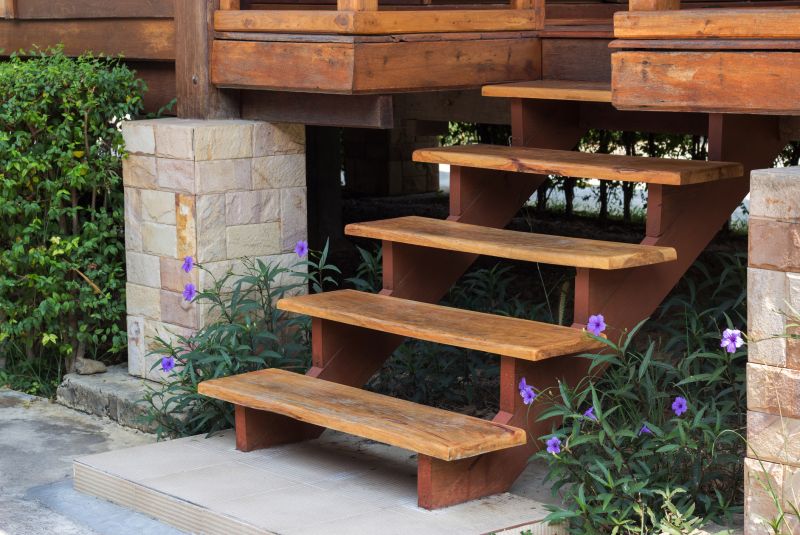 Outdoor stairs are essential components for many residential and commercial properties, providing safe and accessible transitions between different levels of a landscape or building. When selecting products for outdoor stairs construction, it is important to consider durability, safety features, and compatibility with the surrounding environment. Materials such as concrete, wood, metal, and composite options are commonly used, each offering unique advantages based on the specific project requirements.
Top Overall Option
Modular Concrete Stair Treads
Modular concrete stair treads are versatile and durable components suitable for various outdoor stair projects. They are designed to be easily installed on existing frameworks or foundations, offering a stable and long-lasting surface. These treads typically feature textured surfaces to provide slip resistance and are resistant to weathering and wear. Their modular nature allows for customization in size and layout, making them adaptable to different staircase designs. Overall, they are a practical choice for those seeking a resilient and low-maintenance solution for outdoor stairs.
Types of Products For Outdoor Stairs Constructions
Wooden Stair Stringers
Support the structure of wooden stairs and are available in various sizes and designs to match different aesthetic preferences.
Concrete Treads
Precast or poured-in-place concrete treads that provide durable walking surfaces for outdoor stairs.
Metal Handrails
Provide safety and support, available in steel, aluminum, or wrought iron, often customizable in design.
Anti-Slip Stair Mats
Applied to stair surfaces to enhance traction and reduce the risk of slipping in wet or icy conditions.
Composite Decking Boards
Synthetic materials that mimic wood, offering weather resistance and low maintenance for stair treads and landings.
Steel Stair Frames
Structural supports for outdoor stairs, providing strength and stability for various designs.
Limestone or Natural Stone Slabs
Elegant options for stair treads, offering natural beauty and durability for outdoor use.
Aluminum Stair Components
Lightweight and corrosion-resistant, suitable for modern staircase designs and coastal environments.
Concrete Block Risers
Used to create the vertical part of stairs, available in various textures and finishes.
Lighting Fixtures for Stairs
Integrated or surface-mounted lighting to improve visibility and safety at night.
Paver Stones
Versatile paving options for stair landings and surrounding pathways, available in various colors and textures.
Weatherproof Sealants
Protective coatings to extend the lifespan of wooden and other porous materials used in outdoor stairs.
Cable Railings
Modern safety barriers that provide unobstructed views while ensuring safety on elevated stairs.
Decorative Balusters
Enhance the aesthetic appeal of stair railings with various designs and materials.
Drainage Grates
Installed beneath or around stairs to prevent water accumulation and promote proper drainage.
Popular Choices
Commonly used for traditional outdoor stairs, providing a natural look and ease of customization.
Widely chosen for their durability and low maintenance, suitable for various climate conditions.
Popular for safety and support, often featuring anti-slip grip options.
Increasingly favored for their weather resistance and minimal upkeep requirements.
Chosen for their aesthetic appeal and durability, ideal for upscale outdoor stairs.
Trending for enhancing safety and ambiance during evening hours.
Popular for creating cohesive pathways and stair landings with visual interest.
Frequently used to prolong the life of wooden and composite stair components.
Preferred for modern aesthetics and unobstructed views on outdoor stairways.
Popular for adding style and customization to stair railings.
Concrete stair components are known for their robustness and longevity, often used in permanent installations that require minimal maintenance. Wooden stairs can offer a warmer aesthetic and are easier to install, but they may require regular upkeep to withstand weather conditions. Metal options, including steel and aluminum, provide strength and a modern look, with some designs incorporating anti-slip surfaces for added safety. Composite materials combine the benefits of wood and plastic, offering resistance to rot and pests while maintaining a natural appearance.
Design considerations also include the tread depth and riser height, which influence comfort and safety. Proper lighting, handrails, and anti-slip surfaces are crucial features to enhance usability and prevent accidents. When planning outdoor stairs, it is also vital to ensure proper drainage and foundation stability to prevent shifting or settling over time. Selecting the right products involves balancing aesthetic preferences with practical performance to create functional and durable outdoor stairways.
Key Buying Considerations
- Durability of materials in various weather conditions
- Slip resistance features for safety, especially in wet or icy conditions
- Compatibility of product dimensions with existing or planned stair designs
- Ease of installation and available support or instructions
- Low maintenance requirements and long-term upkeep needs
- Aesthetic match with surrounding landscape or building architecture
- Structural support and load-bearing capacity
- Resistance to pests, rot, and corrosion
- Proper drainage and water runoff management
- Availability of accessories such as handrails, lighting, and balusters
- Cost-effectiveness over the lifespan of the materials
- Compliance with local building codes and safety standards
- Environmental exposure resistance, including UV and temperature fluctuations
- Weight and transportation considerations for large or heavy components
- Ease of repair or replacement of individual parts if needed